Quick Answer
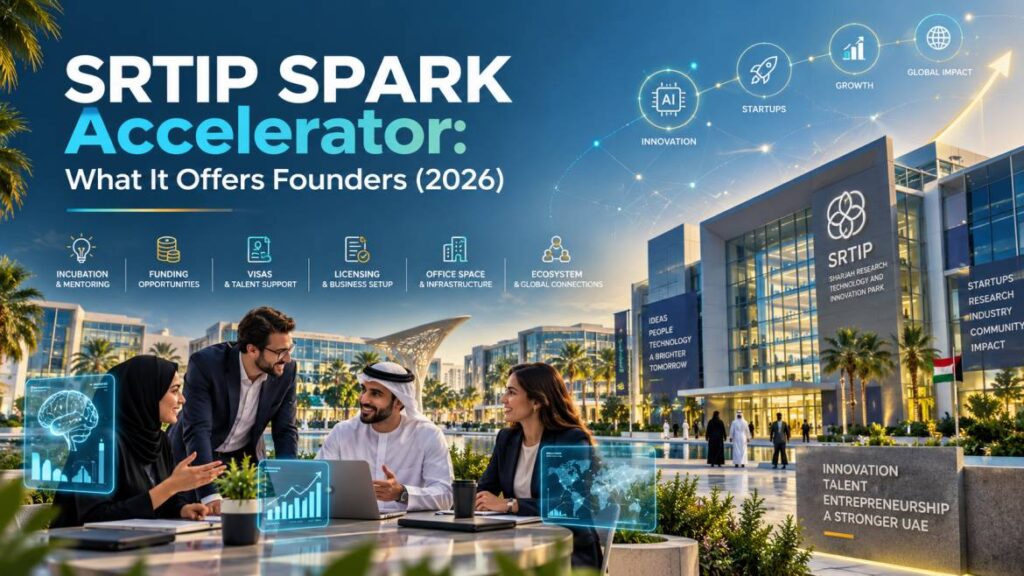
The SRTIP SPARK accelerator, the free zone many founders still know by its former name, SRTIP, offers more than a licence. It covers over 1,500 business activities, R&D lab access, mentorship, coworking space, and an investor network, plus post-incorporation support that continues after the licence is issued. A licence-only provider can register the company, but can’t hand you access to any of that, because none of it comes from the paperwork. This covers what the SRTIP SPARK accelerator actually includes, and what to check before assuming a cheaper, faster setup gives you the same thing.
Table of Contents
What the SRTIP SPARK Accelerator Actually Refers To
SRTIP, Sharjah Research, Technology and Innovation Park, rebranded to SPARK, but the older name is still how most founders search for it, and the SRTIP SPARK accelerator label is used interchangeably across this site for that reason. The “accelerator” part of the name isn’t marketing language, SPARK is genuinely structured as an innovation hub with R&D facilities, mentorship and investor access built in, not a free zone that added an accelerator label to its licence packages. Official details on the free zone’s own activity list and facilities are published on SPARK’s own free zone business setup page. It’s worth keeping that separate from SAIA (the Sharjah Advanced Industry Accelerator), which is a specific cohort-based startup programme run inside SPARK, covered in full in what SAIA actually offers. This post is about the ecosystem SPARK itself provides to any founder setting up there, whether or not they join a cohort programme.
Over 1,500 Business Activities, Not a Narrow Tech-Only List
SPARK’s licence list runs to more than 1,500 business activities, spanning commercial, service, industrial and consultancy categories alongside its R&D and innovation-focused permits. That scale is why SPARK works for far more than tech startups, a point covered in more depth in why SPARK is a smart base for consultants, and confirmed separately in how SPARK became an AI-focused free zone without narrowing what it licenses. In practice this means the activity list is rarely the constraint, the constraint is usually whether your specific business model fits SPARK’s presence and compliance structure, which who should not choose SPARK free zone covers directly.
What the Ecosystem Includes Beyond the Licence
A licence gets a company registered. It doesn’t get a founder access to R&D lab space, mentorship from people who’ve built in the same sector, an investor network, or a genuine community of other founders and researchers working in the same park. SPARK’s own facilities include fully equipped offices and flexible coworking space, state-of-the-art R&D laboratories, premium event and meeting venues, and structured mentorship alongside its licensing services. None of that shows up on a licence certificate, and none of it is something a provider who only handles registration paperwork can hand you access to, because it isn’t theirs to give.
Post-Incorporation Support That Doesn’t End at Licence Issuance
SPARK’s support extends past the day the licence is issued: banking introductions, accounting and financial guidance, immigration support including Golden Visa routes, and compliance help with UBO declarations, AML obligations and VAT. A licence-issuance-only service typically stops once the certificate is in hand, which leaves a founder sourcing each of those separately, often under time pressure once the bank account or VAT registration becomes urgent. Visa planning specifically, investor, partner and employee routes, is covered step by step in the SPARK free zone visa guide.
The SRTIP SPARK Accelerator as a Genuine Environment, Not Just a Registration Service
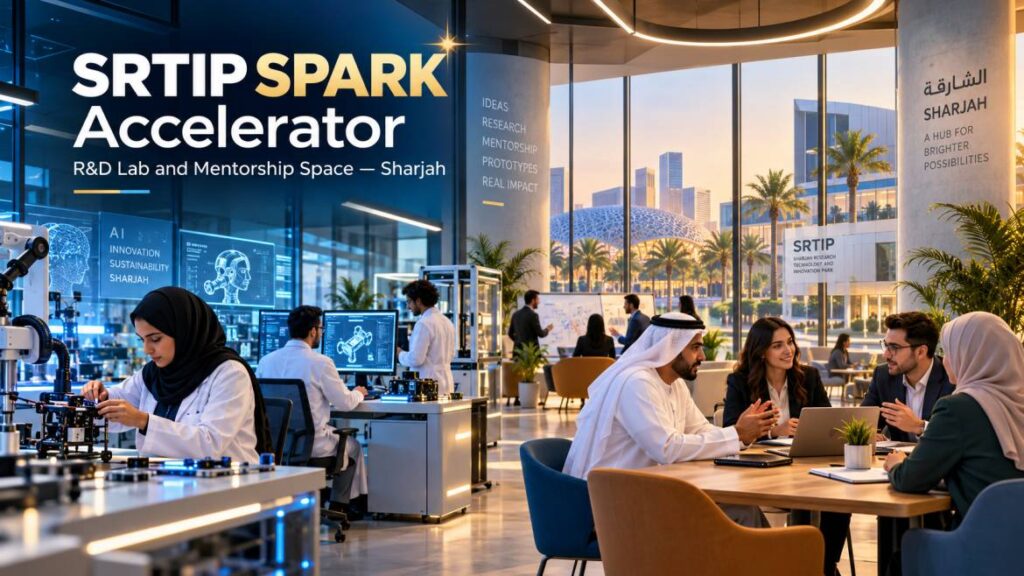
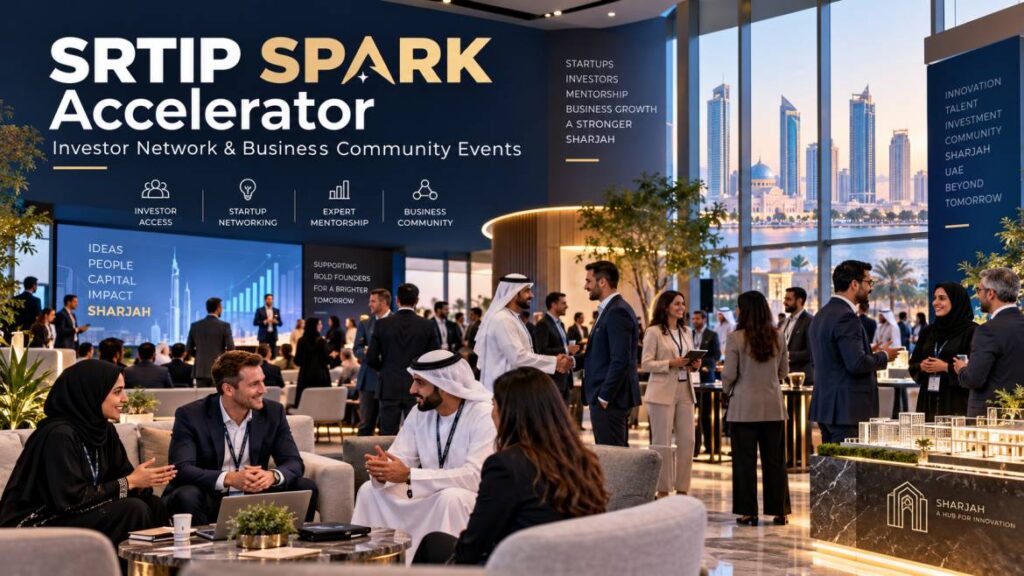
For startups that qualify, the SRTIP SPARK accelerator functions as an actual accelerator environment, R&D infrastructure, investor network access, and a business community that includes global brands and researchers, not a generic coworking space with a free zone licence attached. That’s a meaningfully different proposition from a standard free zone setup, and it’s why founders in R&D-heavy or technology-classified sectors tend to get more out of SPARK than the licence fee alone would suggest, while founders outside that profile may find the fit weaker, which is the distinction who should not choose SPARK free zone works through in detail.
What a Licence-Only Provider Won’t Walk You Through
A provider whose job ends at licence issuance has no reason to explain which SPARK facilities you actually qualify to use, or how to sequence visas against your package tier. That’s not necessarily a bad-faith gap, it’s simply outside what a registration-only service is set up to do. The signs that you’re dealing with a licence-issuance service rather than an advisor who works the ecosystem itself are covered in 10 signs you’re talking to a licence seller, not a business advisor, and the wider pattern behind generic “top consultants” rankings, which rarely mention ecosystem fit at all, is covered in why every “top 10 business setup consultants” list reads the same.
| What you need | Licence-only provider | Ecosystem-connected advisor |
|---|---|---|
| Company registration and licence | Yes | Yes |
| Introduction to R&D lab / coworking access | No | Yes |
| Investor network introductions | No | Yes |
| Visa sequencing against package tier | Sometimes | Yes |
| Post-licence banking, VAT, compliance support | Rarely | Yes |
| Ongoing relationship after setup | Usually ends at issuance | Continues |
My Approach: Access to the SRTIP SPARK Accelerator, Not Just the Licence
When I set a client up through the SRTIP SPARK accelerator, the licence is the starting point, not the deliverable. I sequence visas against the right package tier from day one, and make sure the client knows which parts of the ecosystem, R&D space, mentorship, investor introductions, are actually relevant to what they’re building. The fuller case for working this way, across any UAE setup, not just SPARK, is in why founders choose to work with me.
If you’re weighing SPARK against another free zone, or want to know which parts of the ecosystem actually apply to your business before you commit to a package, get in touch.
Frequently Asked Questions
Is the SRTIP SPARK accelerator the same thing as SPARK?
Yes. SRTIP is the former name of the free zone now branded SPARK, so “SRTIP SPARK accelerator” and “SPARK” refer to the same ecosystem. It’s a separate thing from SAIA, a specific cohort-based accelerator programme that runs inside SPARK.
How many business activities does SPARK actually offer?
Over 1,500, spanning commercial, service, industrial, consultancy and R&D or innovation-focused categories, so the activity list is rarely the limiting factor in a SPARK setup.
Do I need to join an accelerator programme to access SPARK’s facilities?
No. Coworking space, R&D facilities and mentorship are part of SPARK’s standard ecosystem for licensed companies, separate from cohort-based programmes like SAIA, which have their own application and selection process.
What’s the difference between a licence-only provider and an ecosystem-connected advisor?
A licence-only provider registers the company and generally stops there. An ecosystem-connected advisor also sequences visas, and helps you access the mentorship, R&D and investor resources the free zone actually offers.
Does SPARK support post-licence needs like banking and VAT?
Yes, SPARK’s own support extends to banking introductions, financial and accounting guidance, immigration support and compliance help with UBO, AML and VAT obligations, alongside the licence itself.
Does the SRTIP SPARK accelerator give startups access to investors?
Yes, investor network access is part of the standard ecosystem, alongside industry events and a business community that includes global brands and researchers based in the park, not something limited to a separate cohort programme.
Is SPARK a good fit for every type of business?
No. It suits R&D-heavy and technology-classified businesses particularly well, but isn’t the strongest fit for every model, covered directly in who should not choose SPARK free zone.
Related Reading
- SAIA SRTIP Accelerator: What It Actually Offers
- Why SPARK Is a Smart UAE Base for Consultants
- SPARK Free Zone Cost 2026
- SPARK Free Zone Company Setup Process
- SPARK Free Zone Visa Guide 2026
- Who Should Not Choose SPARK Free Zone
- 10 Signs You’re Talking to a Licence Seller, Not a Business Advisor
- Why Choose Mohammad Adil Hussain as Your Business Consultant
Further reading: Two worked examples of the SPARK route: whether an HR consultancy business setup in UAE makes sense, and whether an automotive spare parts trading business in Dubai makes sense.